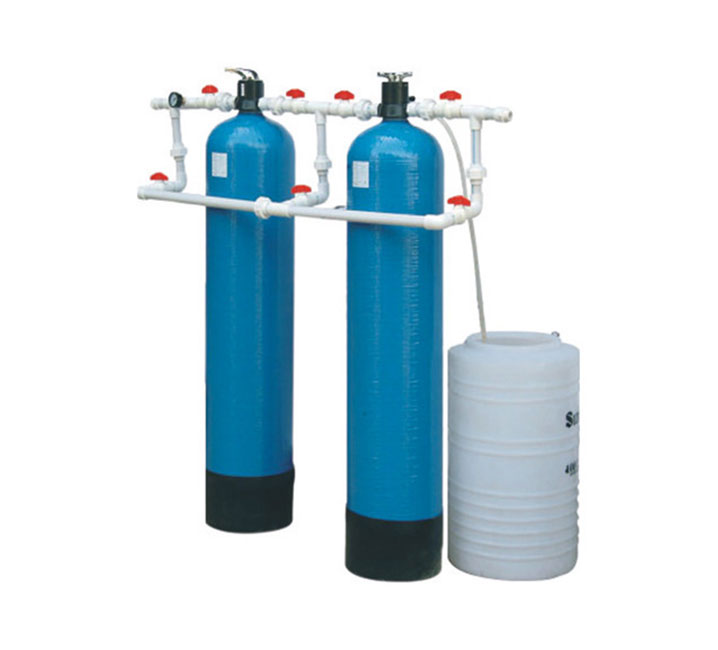
Water Softeners
Water softener
Learn how a water softener works, its benefits, different types, and how it helps reduce hard-water problems such as scale buildup, appliance damage, and plumbing issues in homes, hotels, commercial buildings, and industries.
Water Softener: Complete Guide to Hard Water Treatment for Homes & Businesses
Hard water is one of the most common water-quality problems faced by homes, offices, hotels, hospitals, industries, and commercial establishments. Although hard water is generally not considered harmful to health, the minerals present in it can cause serious problems for plumbing systems, bathroom fittings, appliances, boilers, and cleaning efficiency.
A water softener is an effective water-treatment system designed to reduce the hardness of water and help protect your plumbing, appliances, and daily-use fixtures.
In this guide, we’ll explain what hard water is, how a water softener works, its benefits, different types of water softeners, and how to choose the right system.
What Is Hard Water?
Water becomes hard when it contains high concentrations of dissolved minerals, primarily calcium and magnesium.
When hard water is used regularly, these minerals can accumulate inside pipes, taps, geysers, washing machines, boilers, and other equipment. This buildup is commonly known as scale.
Some common signs of hard water include:
White deposits on taps and showerheads
Scaling inside geysers and water heaters
Soap and shampoo not producing enough lather
Dry or rough-feeling skin after bathing
Clothes becoming dull or stiff after washing
Frequent maintenance of plumbing fixtures
Reduced efficiency of water heaters
Scale formation in industrial equipment
If you notice several of these signs, your water may have a high hardness level.
What Is a Water Softener?
A water softener is a water-treatment system that reduces hardness-causing minerals from water.
Most conventional water softeners use a process called ion exchange. In this process, hard-water ions such as calcium and magnesium are exchanged with sodium or potassium ions through a specially designed resin.
The result is softened water, which significantly reduces scale formation and improves the performance of water-using equipment.
How Does a Water Softener Work?
A typical automatic water softener consists of several important components:
1. Resin Tank
The resin tank contains ion-exchange resin beads. These beads attract and hold calcium and magnesium ions present in hard water.
2. Control Valve
The control valve regulates the different stages of the softening process, including service, backwash, regeneration, and rinse.
3. Brine Tank
The brine tank contains salt and water used to prepare a brine solution for regenerating the resin.
4. Regeneration Process
Over time, the resin becomes saturated with hardness minerals. During regeneration, a concentrated salt solution passes through the resin and removes the accumulated hardness ions.
The system then rinses the resin and prepares it for the next softening cycle.
Water Softener Working Process
The basic process can be explained in four stages:
Hard Water → Ion Exchange → Regeneration → Soft Water
Step 1: Hard Water Enters
Hard water enters the softener through the inlet connection.
Step 2: Ion Exchange
Water passes through the resin bed. Calcium and magnesium ions are captured by the resin.
Step 3: Softened Water Leaves
The treated water exits the system with significantly reduced hardness.
Step 4: Resin Regeneration
After a certain amount of water has been treated, the resin is regenerated using a brine solution so that it can continue operating efficiently.
Benefits of Installing a Water Softener
A properly selected water softener can provide several benefits for residential and commercial applications.
1. Reduces Scale Formation
Softening helps reduce calcium and magnesium deposits inside pipes, taps, showerheads, geysers, and other water-consuming equipment.
2. Protects Water-Using Appliances
Hard-water scale can affect the efficiency of appliances such as:
Geysers
Washing machines
Dishwashers
Boilers
Water heaters
Cooling systems
Reducing scale can help improve equipment performance and potentially reduce maintenance requirements.
3. Better Soap and Detergent Performance
Soft water generally allows soaps and detergents to work more effectively because hardness minerals are reduced.
This can improve washing performance and reduce the amount of detergent required for certain applications.
4. Cleaner Bathroom Fixtures
Hard water frequently leaves white mineral deposits on taps, glass surfaces, showerheads, and bathroom fixtures.
Softened water can help reduce this type of scaling.
5. Helps Protect Plumbing
Long-term scale accumulation can restrict water flow and increase maintenance requirements.
A water softener can help control hardness-related scaling in plumbing systems.
Water Softener for Home
Residential water softeners are designed for houses, apartments, villas, and other domestic applications.
The correct capacity depends on several factors, including:
Number of people in the household
Daily water consumption
Incoming water hardness
Required flow rate
Regeneration frequency
Available installation space
Before purchasing a residential water softener, it is recommended to test the hardness of the incoming water.
Water Softener for Hotels and Commercial Buildings
Hotels, restaurants, hospitals, schools, apartments, and commercial buildings can consume large quantities of water every day.
Hard water can cause scaling in:
Hot-water systems
Boilers
Geysers
Kitchen equipment
Laundry systems
Bathroom fixtures
Plumbing networks
Commercial water softeners are available in larger capacities and can be designed according to the site's water consumption and hardness level.
For commercial applications, proper sizing is especially important because an undersized system may not be able to handle peak water demand.
Industrial Water Softener
Industries often require water with controlled hardness for their processes and equipment.
Industrial water softeners can be used in applications involving:
Boilers
Cooling systems
Process water
Manufacturing facilities
Textile industries
Food-processing facilities
Hotels and institutional facilities
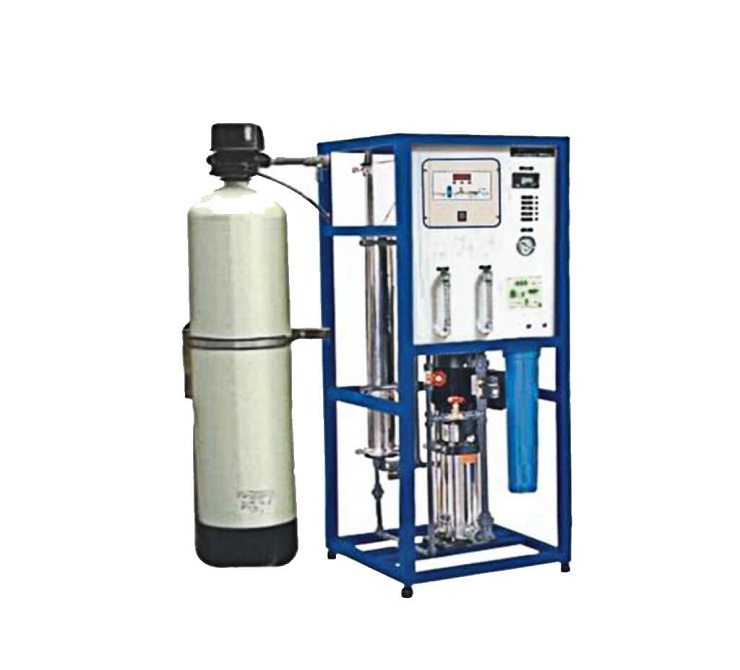
RO pretreatment
The required system capacity should be calculated based on water flow, operating hours, hardness concentration, and the specific application.
Water Softener vs RO System
Water softeners and RO systems serve different purposes.
FeatureWater SoftenerRO SystemMain purposeReduces hardnessReduces dissolved salts and contaminantsPrimary targetCalcium & magnesiumTDS and various dissolved contaminantsScale controlExcellentDepends on system designDrinking waterNot a substitute for ROCommonly used for drinking-water treatmentCommon applicationWhole-house & equipment protectionDrinking/process waterTechnologyIon exchangeMembrane filtration
In many applications, water softeners and RO systems are used together rather than as replacements for each other.
For example:
Raw Water → Pre-Treatment → Water Softener → RO System → Treated Water
The exact treatment process should be selected based on water-quality testing and the intended application.
How to Choose the Right Water Softener
Choosing the correct softener is more important than simply selecting the largest available system.
Consider these factors:
Water Hardness
Start by testing the hardness of your incoming water. Hardness is commonly expressed in mg/L or ppm as CaCO₃.
Daily Water Consumption
Estimate how much water your household or facility uses every day.
Required Flow Rate
The system should be able to provide sufficient flow during peak usage.
Softening Capacity
Softening capacity determines how much hardness the resin can remove before regeneration is required.
Installation Space
Check the available space for the resin vessel, brine tank, control valve, and required plumbing connections.
Automatic vs Manual Operation
Automatic systems can control regeneration based on programmed settings or water usage, while manual systems require more operator involvement.
Does Every Home Need a Water Softener?
Not necessarily.
The requirement depends primarily on the hardness of the incoming water and how that water is being used.
If your water has low hardness, a softener may not be necessary. However, if your water is significantly hard and you are experiencing scale formation, appliance problems, or frequent plumbing maintenance, a properly sized softener can be beneficial.
A water-quality test is the best starting point.
Water Softener Maintenance
Regular maintenance helps maintain the performance of the system.
Important maintenance activities include:
Check the salt level regularly
Keep the brine tank clean
Inspect the control valve
Check inlet and outlet connections
Monitor water hardness after treatment
Check regeneration settings
Inspect the resin condition periodically
Service the system according to operating requirements
The exact maintenance schedule depends on the system design and water quality.
Common Water Softener Problems
Some common problems include:
Softener Not Producing Soft Water
Possible causes include exhausted resin, incorrect regeneration settings, insufficient salt, or a control-valve issue.
Salt Bridges
Salt can sometimes form a hard layer inside the brine tank, preventing proper brine formation.
Low Water Pressure
This may be related to clogged components, improper sizing, or restrictions in the plumbing system.
Excessive Salt Consumption
Incorrect regeneration settings or improper system sizing can increase salt usage.
If a system is not performing correctly, professional inspection is recommended.
Why Water Testing Is Important
Before installing a water softener, it is important to understand the quality of the incoming water.
A basic water analysis can help determine parameters such as:
Total hardness
TDS
pH
Iron
Chloride
Sulphate
Alkalinity
Other site-specific parameters
The treatment system can then be selected according to actual water conditions rather than assumptions.
Get the Right Water Softener for Your Application
At Marcos Water Solution, we understand that every water-treatment requirement is different.
Whether you need a solution for a home, hotel, commercial building, institution, or industrial application, the right system should be selected based on water quality, flow requirements, hardness level, and intended use.
Our water-treatment solutions can be designed around your specific requirements, helping you manage hard-water problems and protect your water systems.
Need help choosing a water softener?
Contact Marcos Water Solution for a consultation and water-treatment solution suited to your application.
Test your water. Understand your hardness. Choose the right softening system.
Frequently Asked Questions
What is the main purpose of a water softener?
The primary purpose of a water softener is to reduce hardness-causing calcium and magnesium ions from water, helping control scale formation.
Is softened water safe to use?
Water softeners are primarily designed for hardness control. Whether softened water is suitable for drinking depends on the overall water quality, system design, and applicable requirements. A separate drinking-water treatment system may be appropriate.
Does a water softener remove TDS?
A conventional ion-exchange water softener is not designed to remove TDS. It primarily exchanges hardness ions such as calcium and magnesium.
Can a water softener protect a geyser?
Reducing water hardness can help reduce scale formation in water heaters and geysers, potentially improving their operating efficiency and reducing maintenance caused by hardness deposits.
How long does a water softener last?
The service life depends on water quality, resin quality, usage, maintenance, regeneration practices, and system design. Regular servicing can help maintain performance.
Should I install an RO and water softener together?
They can be used together when the water-quality requirements justify both systems. A common configuration is to use a softener as pretreatment before an RO system, but the actual design should be based on water analysis.
Final Thoughts
Hard water can gradually affect plumbing, appliances, heating equipment, cleaning performance, and maintenance costs. A properly designed water softener system can help control hardness and reduce scale-related problems.
The key is not simply choosing a water softener—it is choosing the right capacity and configuration for your water quality and usage.
For residential, commercial, and industrial water-treatment requirements, professional water analysis and proper system sizing are the best starting points.
Marcos Water Solution — Reliable Water Treatment Solutions for Every Requirement.
Related Search Topics
This guide is related to and other water treatment solution planning needs.